 Revapin
The History of Pinterest: From Startup to a Global Platform
Pinterest started in the early 2010s as a small, invite-only site built around one simple idea: save the images you find online to visual boards. That idea grew into a search and discovery platform used by hundreds of millions of people.
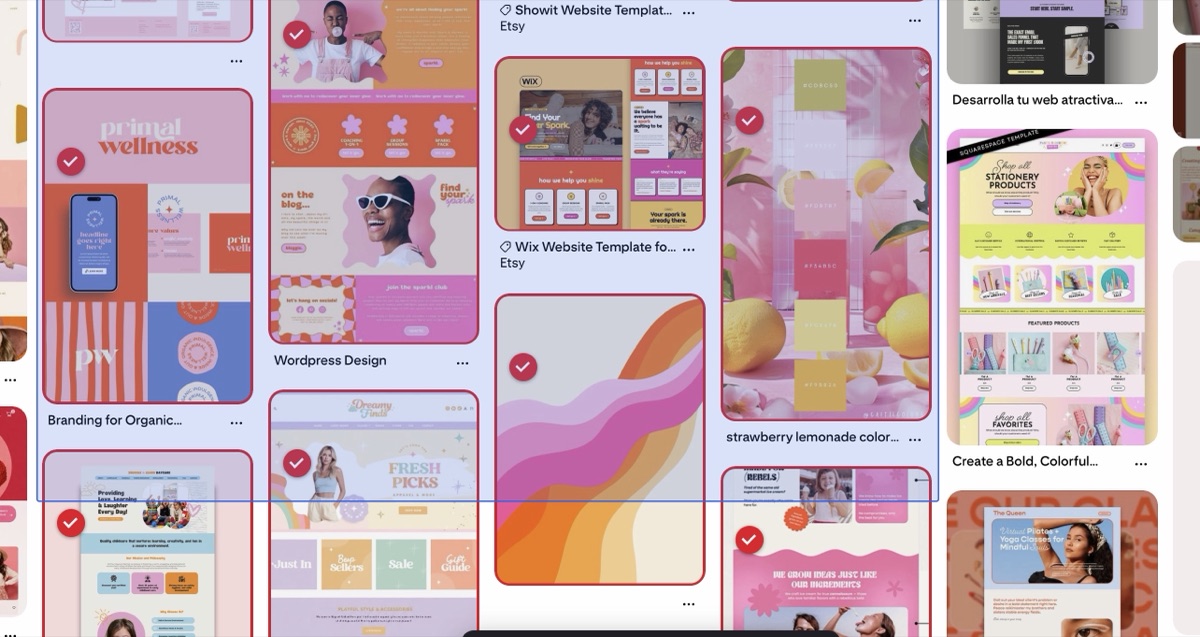
The invite-only beginning
The early version was tiny and closed. You couldn't just sign up; someone already on the site had to let you in, or you joined a waitlist and waited. That slow start sounds like a weakness, but it gave the first wave of users time to shape how boards got used. People weren't posting about their day. They were collecting recipes, home ideas, wedding plans, and clothes they liked, and sorting all of it into named boards.
Bookmarking, but visual
Before Pinterest, saving something online meant a browser bookmark: a line of text you'd never look at again. Pinterest replaced the text with the picture itself. A board of a hundred pins was something you could actually scan and enjoy, and each pin still linked back to wherever it came from. That single change is what made the whole thing stick.
Growing into search and discovery
As more people joined, Pinterest stopped being only a place to store your own finds and became a place to discover other people's. The search bar turned into the main way people used it. Type in "small kitchen" or "autumn outfits" and you'd get a wall of ideas, most of them saved by strangers who'd been collecting the same thing. Over time the company leaned into that: the platform now describes itself less as a social network and more as a place to find ideas.
Why the past matters for what you save
Here's the catch with a platform that keeps changing: the pins you rely on don't belong to you. Layouts get redesigned, features come and go, creators delete old pins, and accounts get suspended. The reference you saved three years ago can quietly disappear. If a board matters to you, the safe move is to keep the images as real files on your own machine, outside whatever Pinterest decides to do next. A download extension handles that in a few clicks. Revapin saves a whole board, or an entire profile, to your computer as folders or a ZIP at full resolution, without touching your password.
A few things carried through every version of Pinterest:
- the board as the unit for organizing ideas;
- the pin that links back to an original source;
- search as the way most people actually find things.
The platform will keep evolving, and that's fine. Just remember that the collection you've built lives on someone else's servers until you make a copy of your own.
Revapin is not affiliated with, sponsored by, or endorsed by Pinterest. Pinterest is a trademark of Pinterest, Inc.