 Revapin
Organic vs Paid Reach on Pinterest: What's Worth It
Organic reach is where Pinterest earns its keep. Because it's a search engine, a good pin keeps surfacing for months with no ad spend behind it. Paid reach has its place for speed and timing, but for most accounts the organic side does the heavy lifting.
Why organic reach runs deep here
On most platforms an old post is dead within days. Pinterest is different. A pin that ranks for a search keeps appearing for anyone who searches that term, week after week, year after year. You do the work once — good image, right keywords — and it pays out slowly for a long time. That compounding is Pinterest's real advantage.
What paid reach buys you
Paid promotion buys speed and control. A promoted pin shows up now instead of building over weeks, and you decide exactly who sees it. That's useful around a launch, a seasonal window, or a new account with no history yet. The catch is that reach ends when the budget ends — nothing keeps working for free afterward.
How to weigh the two
Lean organic as the foundation and use paid to nudge specific pins at specific moments. A sensible split for most people:
- build steady organic reach with fresh, keyword-rich pins;
- promote a proven pin when timing matters, like a launch;
- let paid amplify what already works, never rescue what doesn't.
Build a reference library of organic winners
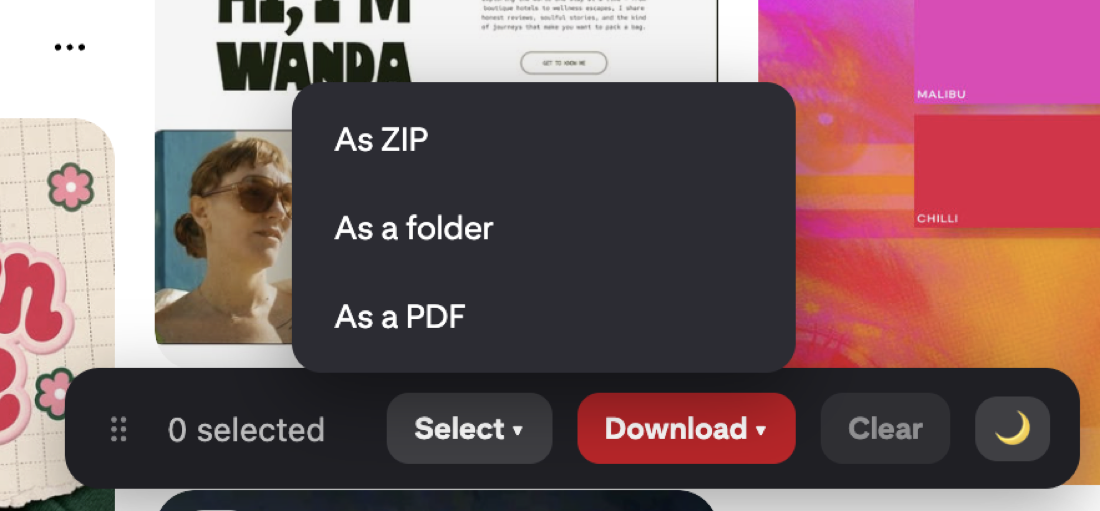
The pins ranking organically for your keywords are a free lesson in what Pinterest rewards. A download extension lets you keep them on your computer as a reference library. Revapin saves those top organic pins at full resolution, so you can study the format that earns reach without paying and model your own pins on it.
Put your energy into organic pins that keep earning, and reach for ads only when you need a specific pin seen fast. That balance gets the most from Pinterest for the least spend.
Revapin is not affiliated with, sponsored by, or endorsed by Pinterest. Pinterest is a trademark of Pinterest, Inc.